Thewesternbalkans.
The European Parliament is preparing to adopt a report on North Macedonia’s EU accession progress that will, for the first time, formally recognize the Macedonian identity and language, BGNES reported. This move follows the German Bundestag’s similar resolution from June 15, 2023, which also acknowledged the Macedonian language and identity without any official reaction from Bulgaria.
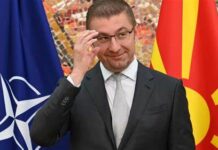
The recognition is significant because it marks the first time the EP will explicitly acknowledge what North Macedonia’s Prime Minister Hristijan Mickoski refers to as a “centuries-old” identity and language. The report, expected to be adopted in July, was shaped through a consensus led by Austrian Green Party rapporteur Thomas Weitz, who coordinated with seven other “shadow” rapporteurs representing various political groups in the Parliament.
According to the BGNES, Weitz’s Green Party is closely aligned with the European Free Alliance (EFA), a party coalition that advocates for regional autonomy and minority rights within the EU. EFA includes controversial members such as the banned OMO “Ilinden” – Pirin from Bulgaria and the Macedonian Alliance for European Integration (MAEI) in Albania.
This approach by Weitz and fellow rapporteurs sets a precedent for the EP’s recognition of a sovereign state’s identity and language. Yet, questions remain about which Macedonian identity will be recognized, given the 2018 Prespa Agreement with Greece, which defines “Macedonian” strictly as citizenship and acknowledges the Macedonian language as part of the Slavic group, separate from Greek. The EP report omits these clarifications, as well as Bulgaria’s objections to the Macedonian language’s codification only in 1945.
By recognizing only the Macedonian identity and language, the EP risks exacerbating tensions in North Macedonia, which officially defines itself as a multi-ethnic state with a large Albanian minority. This one-sided recognition ignores the presence of other groups, including Bulgarians, who form part of North Macedonia’s social fabric.
Following the May 14 meeting, Bulgarian MEP Ivaylo Valchev sent a formal complaint to EP President Roberta Metsola, accusing rapporteur Weitz of violating transparency rules and compromising the neutrality of the report. Valchev pointed to undeclared meetings between Weitz and Macedonian officials in Brussels and Skopje, as well as coordinated amendment proposals across political groups that echoed identical demands for recognition of Macedonian language and identity. Valchev also highlighted the premature leaking of the draft report as evidence of external interference in EU processes.
After this complaint, Weitz retroactively registered 31 meetings with North Macedonian officials, having previously disclosed only five. During these meetings, Weitz appeared closely aligned with Prime Minister Mickoski, who claimed only “700-800” Bulgarians remain in North Macedonia and that some 200,000 Macedonians “disappeared” from Bulgaria in the 1960s.
Comments: The approach of Mr. Weitz for preparing the Report is considered as strange. Leaking the draft of the Report is not the most important thing. The real problem is that (we do not know why) Mr. Weitz has had a very close cooperation with the North Macedonian side.
An examination of EP records shows that since becoming rapporteur, Weitz has met 36 times with North Macedonian officials but has not engaged with Bulgarian organizations representing minorities in North Macedonia. Moreover, Weitz repeatedly delayed the start of the report negotiations, which eventually began on May 14 instead of the planned late March.
On the day negotiations opened, Weitz invited 15 MEPs from North Macedonia for meetings at the EP, along with the country’s Minister for European Affairs, Orhan Murtezani. He also hosted an official lunch with the “shadow” rapporteurs and Macedonian representatives, excluding Bulgarian MEPs. Bulgarian representatives quickly noticed that North Macedonian MEPs had been given advance access to all texts and proposals. Weitz himself admitted the report had leaked to Macedonian media a week prior, violating EP protocols.