Thewesternbalkans.
According to some Greec and Bulgarian media, on May 16 the energy ministers and officials from Greece, Republic of North Macedonia, Serbia and Bulgaria agreed to expand the regional “Vertical Corridor” energy project toward the Western Balkans, in a move aimed at strengthening regional energy security and diversifying natural gas supplies.
The agreement was reached during a ministerial meeting on energy and interconnectivity held in Athens, where participants discussed the acceleration of strategic infrastructure projects, as well as challenges related to European and regional energy security and stronger energy interconnections.
Greek Environment and Energy Minister Stavros Papastavrou said the four countries had agreed to institutionalize their cooperation within the framework of the project.
He added that the next ministerial meeting would take place in September in Belgrade.
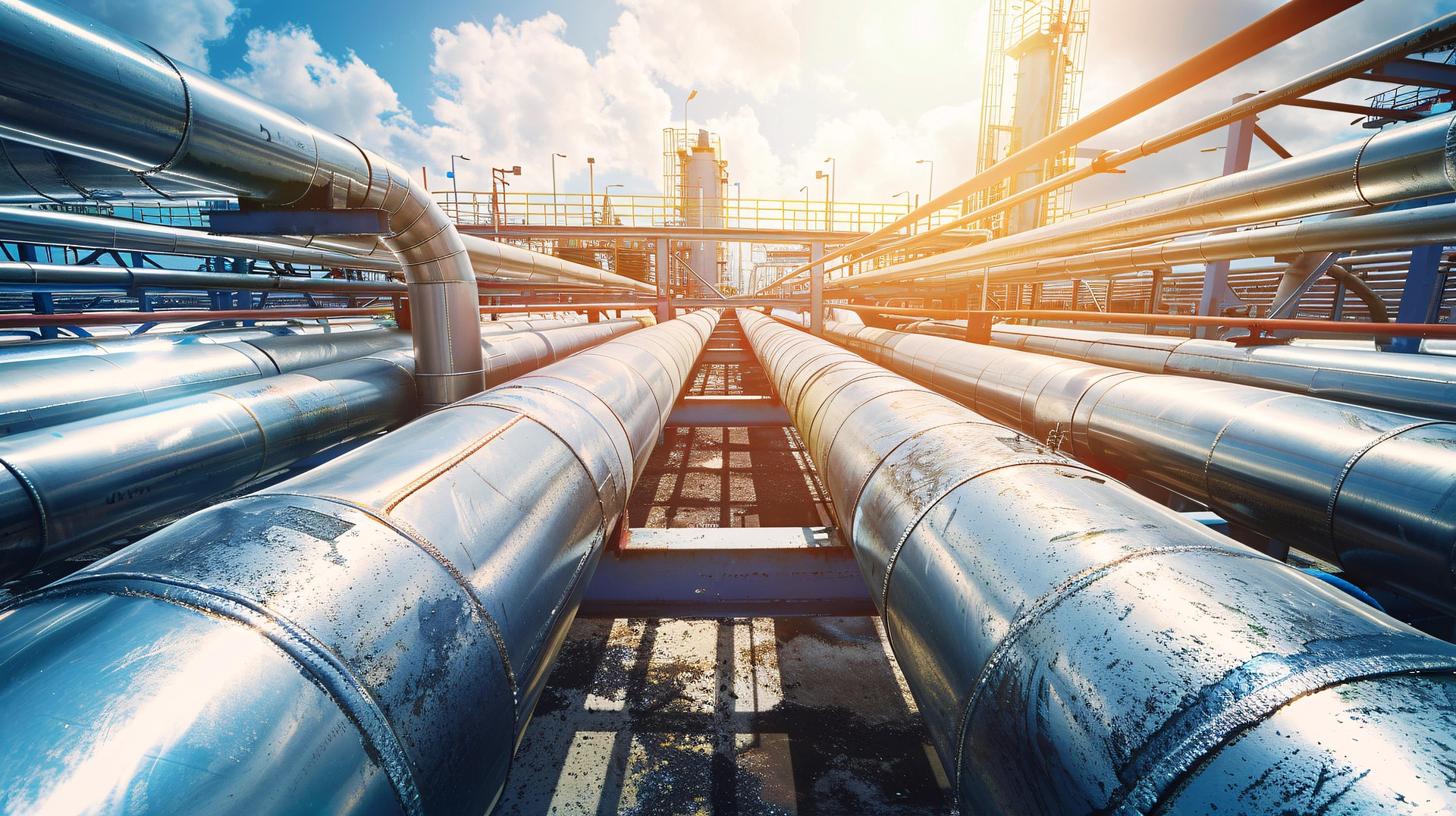
The “Vertical Corridor” is regarded as one of the key regional energy projects aimed at diversifying natural gas supply routes and reducing dependence on traditional energy sources.
The initiative forms part of broader European efforts to improve energy connectivity and reduce reliance on Russian gas following the energy disruptions caused by the war in Ukraine.
Comments: n this context, the statement by the Greek minister that “with a shared vision and a clear plan, energy is becoming a force for rapprochement and prosperity in the region” reflects the broader strategic logic behind the current regional energy connectivity agenda in Southeast Europe. For the Republic of North Macedonia, participation in these initiatives represents a significant opportunity, particularly given the already existing gas interconnections between Greece and Bulgaria, as well as between Bulgaria and Serbia, which could gradually integrate Skopje into a wider regional energy network.
Equally important is the availability of substantial EU financial support for cross-border energy infrastructure projects. Greece, due to its long-standing experience in managing and utilizing European funds, is positioning itself as a central regional energy hub and a key intermediary for future projects involving the Western Balkans.
At the same time, however, the long-term sustainability of such initiatives will depend not only on infrastructure connectivity but also on the availability of competitively priced natural gas supplies. In this regard, Azerbaijani gas currently appears to be the most realistic foundation for future regional diversification projects. Nevertheless, the growing ambitions of the United States to expand its share of the European energy market introduce an additional geopolitical and commercial dimension, particularly given the significantly higher price levels associated with American LNG supplies. Consequently, the future success of regional energy integration projects will ultimately depend on the balance between geopolitical considerations, market competitiveness and the economic affordability of energy resources for the participating states.