Thewesternbalkans.
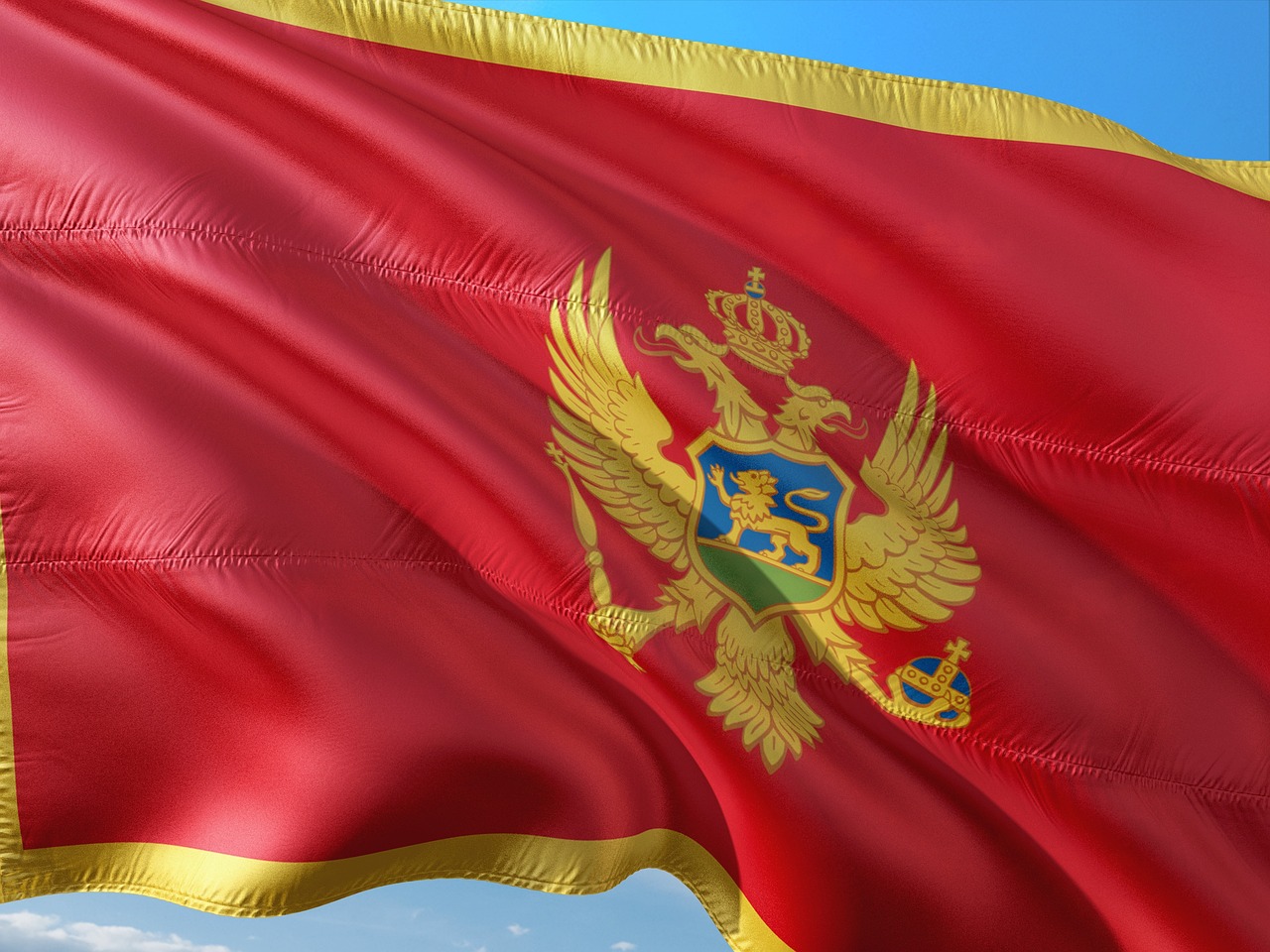
Montenegro is working intensively to conclude its EU accession negotiations by December 15, with the hope that the accession treaty will be signed by June 2027. A delay in signing poses a risk for Podgorica, as the inauguration of a new French president—whoever that may be—could potentially lead to a referendum in France on the approval of EU enlargement.
However, before that can happen, Montenegro must first overcome another hurdle: resolving all bilateral disputes with Croatia.
“All (eight) points we have raised are resolvable,” stated Croatian Prime Minister Andrej Plenković ahead of the European Political Community (EPC) summit in Dublin on November 12, adding that most of them “fall within the purview of the executive branch in Montenegro.”
Two issues for which solutions have already been reached are now awaiting implementation: the renaming of a swimming pool in Kotor and the installation of a memorial plaque at the Morinj camp. Here is what remains:
– Compensation for former detainees held at the Morinj camp;
– The fate of 14 missing Croatian citizens, including cooperation regarding documentation, archives, and search operations;
– Legal proceedings concerning war crimes, including the issue of command responsibility;
– Restitution of property or payment of compensation to Croatian families, including 51 families from Tivat;
– Ownership of the naval training ship „Jadran“ – Croatia is demanding its return, while Montenegro continues to retain it;
– Border demarcation, including the confirmation of the land border between the former Yugoslav republics and negotiations regarding the maritime border in the Prevlaka area.
Regarding those detained at the Morinj camp, progress has been made on the issue of compensation: the foreign ministers have “finalized the text of a bilateral agreement”, Plenković stated.
He also noted that “certain conditions relate to Belgrade, particularly concerning missing persons”—an issue that remains “extremely important for our families who are still seeking information”. He pointed out that this concerns “14 individuals who are presumed dead and have remained missing since the Homeland War”.
“Political will on the part of Montenegro is crucial,” the Croatian Prime Minister concluded.
For Podgorica, these disputes are unwelcome; however, it has maintained its composure and continued negotiations, fully aware that an escalation of the situation would not be in its interest. With the exception of war crimes trials, these contentious issues are likely resolvable, and negotiations between the two sides are currently underway—albeit without much public fanfare. As for war crimes trials, the negotiations will be difficult, given that such cases are highly sensitive for Montenegrin society.
Montenegro believes that finalizing the EU accession process and securing membership is an achievable goal; however, it is under immense pressure to conclude negotiations within a month.
Croatia has demonstrated the significance of the leverage it holds regarding Montenegro’s EU membership bid. Although Prime Minister Plenković denies that Croatia is under any pressure, Germany and other friendly EU states are concerned and have offered to mediate. The pressure on the EU itself is also immense: if Montenegro’s accession were to be postponed now, it would destroy any remaining trust in the enlargement process among other candidates and would represent a failure for the EU and its governing institutions.
Consequently, the coming months are critical—not only for Podgorica but for the future of Europe as well. Given the risk of paralysis facing the EU—stemming from the war in Ukraine, relations with the US and China, elections in France, Italy, Spain, and Poland, the enlargement process, and European fragmentation (to name but a few issues)—the European Commission seeks to preempt certain adverse developments and will likely be open to compromise. Independent European experts assess that Montenegro’s alignment with the EU is merely formalistic, as the EU acquis communautaire is not actually being implemented. Montenegro is moving closer to EU membership with a political system that remains highly fragmented and clientelist. This complicates the reforms necessary to achieve this goal. Montenegro may join the EU, but many of the governance weaknesses from the accession era will remain unaddressed.