Thewesternbalkans.
On October 30, 2026, the UN Security Council held its regular session dedicated to the situation in Bosnia and Herzegovina (BiH). Resolution 2834 (2026) was unanimously adopted, renewing the mandate of the European Union (EU)-led Multinational Stabilization Force (EUFOR-Althea) in the country for 12 months.
Participants in the session included Denis Bećirović, the Bosniak member and current Chairman of the three-member Presidency of BiH; Hrvoje Ćurić Hrvatinić, Deputy Permanent Representative of Croatia to the UN; Radomir Ilić, Ambassador at the Permanent Mission of the Republic of Serbia to the United Nations; and Stavros Lambrinidis, Head of the European Union (EU) Delegation to the UN.
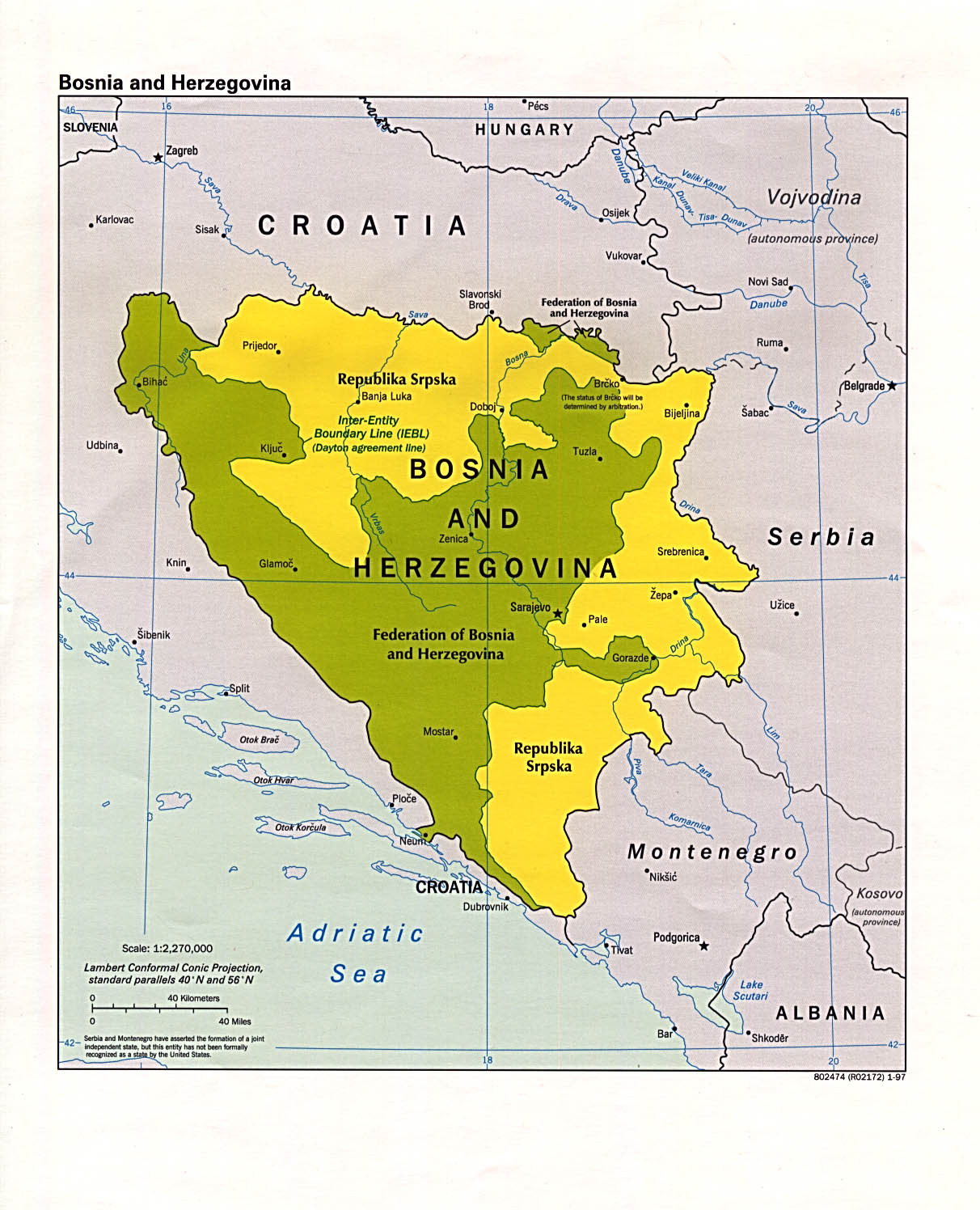
The UN Security Council session focused on a six-month report prepared by the Acting High Representative for Bosnia and Herzegovina, Louis Crishock (USA). The report highlighted institutional obstructions, inflammatory political rhetoric – originating primarily from authorities in the Republic of Srpska (RS) – and persistent deadlocks within the Council of Ministers and parliamentary bodies. According to the report, the constant blocking of political decisions and the failure to comply with rulings of the Constitutional Court weaken state institutions and hinder European and Euro-Atlantic integration. The report notes that these actions, combined with attempts to establish parallel structures, point toward a scenario involving the de facto partition of the country. No progress has been made on the “5+2” agenda, which remains a prerequisite for the closure of the OHR.
The report covers the general elections held in the country on October 4 of this year. It cites assessments by the Organization for Security and Co-operation in Europe (OSCE), which characterized the elections as competitive and noted that election day proceeded in an organized manner. According to the OHR report, the new voting systems functioned without major disruptions and accelerated the release of preliminary results. These preliminary results indicate the continued dominance of ethnically-based parties, pointing to the prospect of protracted coalition negotiations, “heightened political polarization, and potential stagnation in EU integration efforts.” The report expresses concern regarding statements made by Dodik following the elections, in which he reaffirmed his intention to restore the powers of the RS in the areas of defense, border control, intelligence, and indirect taxation. He also announced an initiative to adopt a new Constitution of the RS on January 9, 2027 (RS Day—a date not recognized by the Constitutional Court of BiH).
The OHR report notes that while direct challenges to the constitutional order of Bosnia and Herzegovina have become less pronounced than they were during the political crisis in early 2025, institutional obstruction – primarily originating from the RS – persists. It warns that this obstruction weakens state institutions and fuels a process of “creeping de facto secession” from the state. The report also highlights repeated disruptions to the functioning of the Parliament of Bosnia and Herzegovina, including the denial of a quorum in the House of Peoples and the failure to implement binding decisions of the Constitutional Court.
The representative of the United Kingdom emphasized that reconciliation remains essential and condemned attempts to downplay crimes committed during the military conflict, noting that such actions undermine trust among the country’s three constituent peoples. She expressed hope that a suitable candidate would soon be appointed to the position of High Representative for Bosnia and Herzegovina.
Denis Bećirović, Chairman of the three-member Presidency of Bosnia and Herzegovina (representing the Bosniak community), warned that the results achieved over the decades of implementing the Dayton Peace Agreement are jeopardized by the actions of the Republic of Srpska leadership, which he characterized as separatist. He emphasized the need to appoint a new High Representative and to maintain the powers and mandate of the Office of the High Representative.
The representative of Serbia rejected the remarks concerning the funeral ceremony for Mladić, pointing out that Serbia had provided only logistical support and security. Regarding the appointment of a new High Representative, he stated that “any decision imposed from the outside, or one that does not take into account the interests of the two entities and the three constituent peoples, would not be sustainable in the long term.”
According to the representative of Croatia, the main priority for Bosnia and Herzegovina (BiH) following the elections on October 4th is the formation of stable and functional institutions at all levels of government. He called for electoral reform that would guarantee equality for each constituent peoples, as well as their ability to freely elect their own legitimate political representatives.
Representatives of EU member states expressed regret over the slow progress in BiH’s accession to the European Union, noting the failure to meet key conditions for the commencement of accession negotiations. The Head of the European Union (EU) Delegation to the UN condemned attempts to glorify war criminals, deny genocide, and engage in revisionism.
The Russian Federation’s representative to the UN Security Council once again called for the unconditional closure of the Office of the High Representative (OHR) and rejected attempts to appoint Louis Crishock as Acting High Representative, citing a lack of legal basis or authorization from the Security Council. The Chinese representative also noted “significant controversies” regarding the OHR and objected to the so-called “Bonn Powers” of the High Representative for Bosnia and Herzegovina.
The United States supported the continuation of the OHR, arguing that it ensures the preservation of stability, security, and the sovereignty of Bosnia and Herzegovina.
COMMENT:
The facts and circumstances presented in the High Representative’s report indicate that, more than 40 years after the signing of the Dayton Agreement (December 14, 1995) – which brought an end to the armed conflict (1992–1995) – the state of Bosnia and Herzegovina still fails to function effectively. This stems clearly from both the complex state structure imposed by the Agreement and the extreme nationalist rhetoric employed by leaders of the country’s Serb community. The intentions of Milorad Dodik -leader of the SNSD, the most influential party among the Serbs of Republc of Srpska – to reject the arrangements established within the common state and to restore the powers of the Republc of Srpska regarding defense and border security, clearly highlight the separatist ambitions held by a segment of the Serb community. Given that the SNSD has maintained its influence following the general elections – both within the Serb entity and in the House of Representatives of Bosnia and Herzegovina (with the party also expected to wield significant influence in the House of Peoples) – it is likely that the country’s governance will enter a new, even more difficult phase in the post-election period. Demands by Serb leaders for expanded powers for the Republc of Srpska and the closure of the Office of the High Representative, alongside attempts to downplay the culpability of Ratko Mladić, are likely to provoke a counter-reaction, particularly from the Bosniak community. The formation of state-level institutions will likely be marked by sharp political and ethnic divisions, leading to delays in the establishment of a national government. This will negatively impact the country’s economic development and exacerbate social tensions. Amidst growing inter-ethnic confrontation and social discontent, the presence of EUFOR and the continued operation of the OHR will remain critical factors in preserving peace and the constitutional order within the country.