Thewesternbalkans.
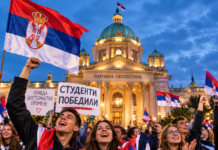
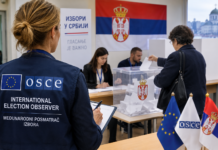
On Monday (October 26), following the news that the Serbian Progressive Party (SNS)—led by former President Aleksandar Vučić and the party previously in power—had lost the snap parliamentary elections, Dmitry Peskov, press secretary to Russian President Vladimir Putin, was quick to signal his intent to engage with the victorious “Student List” (SL). In a formal statement, Peskov acknowledged the Kremlin’s long-standing ally, Aleksandar Vučić, who is losing his grip on power in Serbia just six months after another key partner of Moscow in Europe—Viktor Orbán—stepped down following an election defeat in Hungary.
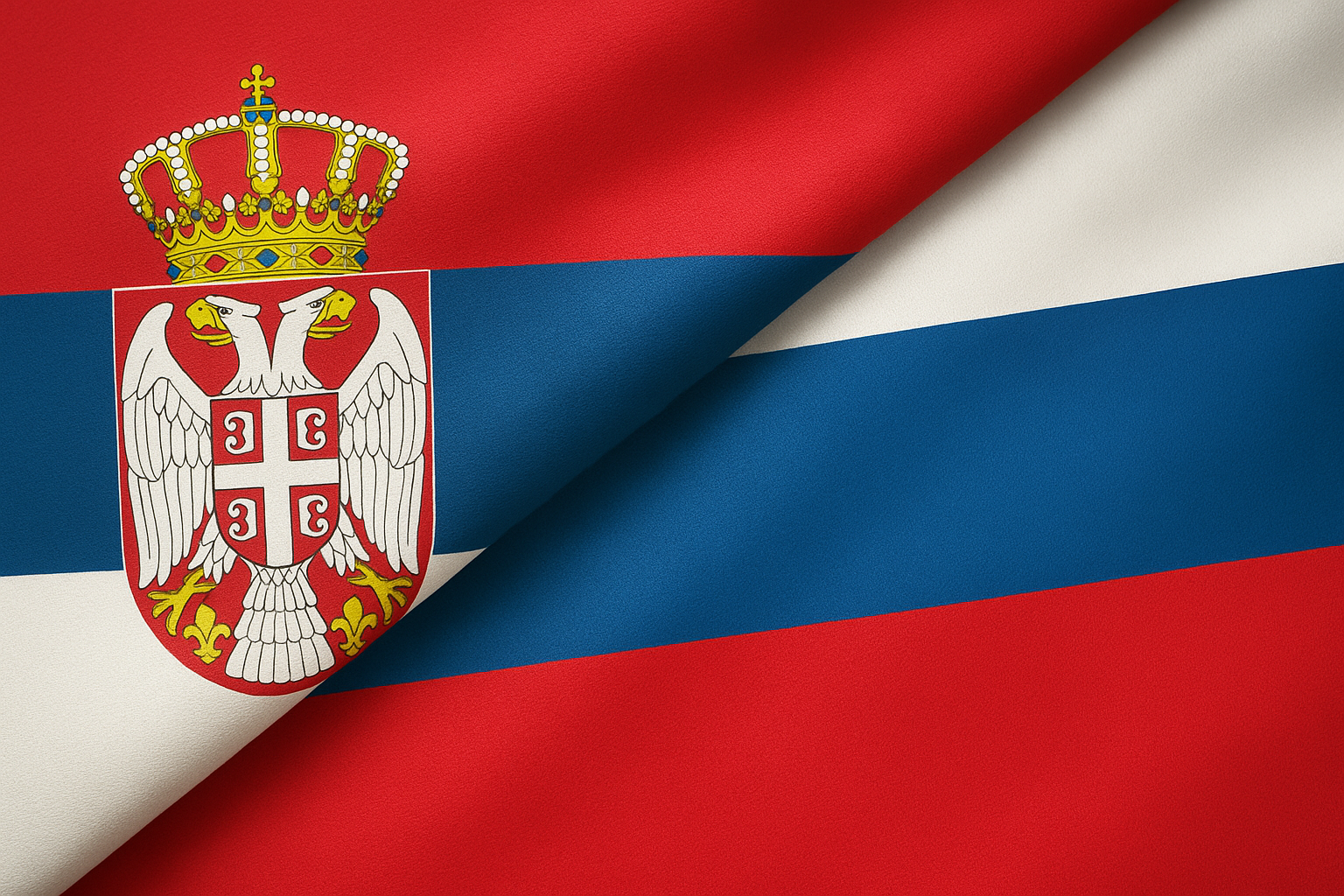
Peskov emphasized that Moscow values Vučić’s contribution to the development of bilateral relations. He expressed hope that the former Serbian president, even while in the opposition, would remain active whenever the new Serbian parliament and cabinet make political decisions affecting relations with Russia. Peskov also noted that, despite Serbia’s aspirations to join the European Union (EU), the country has not supported the EU-imposed sanctions against Russia over the war in Ukraine and continues to maintain close economic, political, and military ties with Moscow. Regarding the “Student List” – the political entity that won the parliamentary elections in Serbia on October 25 – the Kremlin press secretary expressed hope that the List’s actions within the bilateral relationship would be constructive and aimed at further deepening ties. He emphasized that cooperation with Russia is primarily in Serbia’s own interest, particularly concerning energy supplies, and affirmed the Kremlin’s readiness to develop bilateral relations.
Comment:
Upon coming to power in 2012, Aleksandar Vučić’s Serbian Progressive Party (SNS) shifted away from the explicitly pro-Western stance of the previously governing Democratic Party (led by Boris Tadić) toward a more balanced position. While affirming that EU membership remains a “supreme strategic interest,” the SNS simultaneously cultivated ties with Russia and China. Under the 14-year rule of the SNS, Serbia’s relations with Russia have taken on new dimensions. Russia holds a special place in Serbian society; many people in the country view Moscow as a “great Slavic Orthodox brother” and protector—particularly regarding the Kosovo issue at the UN Security Council. Vučić has frequently seized opportunities to visit Moscow and embrace Vladimir Putin. This has secured him the Russian leader’s goodwill, support on the Kosovo issue, energy supplies on preferential terms, and military-technical assistance to maintain the capabilities of the Serbian Armed Forces.
Serbia is dependent on Russian natural gas—with approximately 90% of its imports coming from Gazprom—and serves as a key transit hub for Russian gas in the Balkans. In exchange for the natural gas secured through agreements between Vučić and Putin, Belgrade has provided political support to Putin and rejected EU calls to join the sanctions imposed on Russia. Russia leverages its close ties with Serbia and its influence in Republika Srpska (within Bosnia and Herzegovina) to maintain controlled tension in the Balkans, thereby tying up the attention and resources of the EU and NATO. Thanks to Vučić and the development of comprehensive cooperation, including in the military-technical sphere, Serbia has established itself as Russia’s primary ally in the Balkans. Through Belgrade, Moscow seeks to maintain a regional presence and project influence across Southeast Europe. Should Viktor Orbán and Aleksandar Vučić be removed from power, it appears that Moscow would lose its most loyal adherents in the heart of Europe—particularly in the Balkans, a region where the Kremlin retains opportunities to shape developments, given various unresolved internal and interstate issues.
The priority and most pressing issues in Russian-Serbian relations are the question of ownership of NIS and the matter of sanctions against Russia. While A. Vučić, in his first statement following the elections, predicted that the new authorities might impose sanctions on Russia as early as the spring of next year, representatives of the student movement were quick to reject such sanctions, citing the Serbs’ own experience with an embargo regime.
The Kremlin’s swift response following the parliamentary elections in Serbia—delivered via a statement from Dmitry Peskov—is clearly intended to warn the “Student List” (which is set to assume the responsibility of governing Serbia following its decisive victory on October 25) against making any abrupt shifts in the country’s foreign policy orientation. To this end, the Kremlin press secretary highlighted the significance of bilateral relations—specifically regarding Serbia’s energy security, which will be crucial for the “Student List” to successfully carry out its mandate. At the same time, Moscow’s rapid reaction reflects both its ambitions and its concern regarding the long-term preservation of its influence in the region.