Thewesternbalkans.
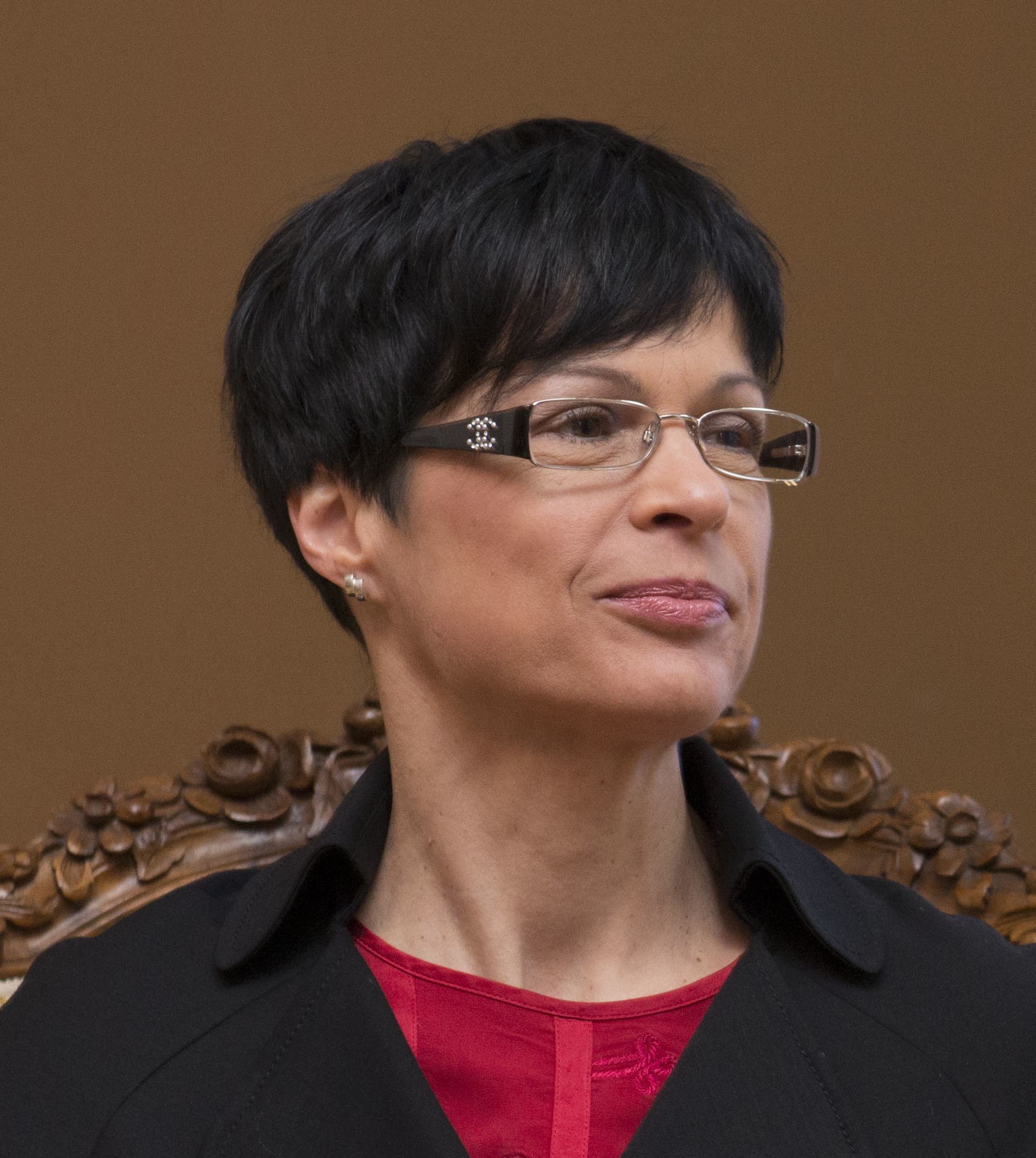
EU Enlargement Commissioner Marta Kos’s interview with the Slovenian magazine Mladina, in which she stated that she “does not want Slovenia to have a Janez Janša government again”, calls into question the fundamental principle of political neutrality enshrined in the European Commission’s institutional mandate.
According to the EU Treaties, EU Commissioners are obliged to protect the common European interest, not the interests of national or political groups. This means that they must strictly avoid interfering in the domestic political processes of member states, especially in the context of an election campaign or growing party polarization.
Political context
Kos’ statement comes at a time when Janez Janša’s opposition party, the Slovenian Democratic Party (SDS), is leading in opinion polls ahead of the 2026 parliamentary elections. The statement is perceived not only as a personal political opinion, but also as an institutional message from a representative of the European Commission, which increases tensions in Slovenian domestic politics.
MEPs from the SDS, part of the European People’s Party (EPP), strongly condemned Kos’s position, defining it as unacceptable interference and an indicator of political bias. This can also be interpreted as a blow to the image of the Commission as a supranational and neutral body, especially with regard to delicate political balances in small member states like Slovenia.
Personal and political antagonisms
The issue also has an additional dimension, given the public conflict between Janša and Kos, which escalated at the time of Kos’s nomination as European Commissioner. In 2024, Janša publicly and institutionally opposed her appointment, which gives today’s events an even sharper personalized political coloration.
This case once again highlights the line between political responsibility and institutional loyalty within the EU. If the European Commission wants to maintain its credibility as a neutral, honest mediator in the process of European integration and enlargement, its representatives should strictly refrain from such personal assessments. This is particularly important for a portfolio like enlargement, which involves working with countries where trust in democratic institutions is often questioned.
Possible consequences
– Domestic political mobilization in Slovenia around the topic of “external interference”;
– Institutional pressure on the Commission President to distance himself or at least publicly address Kos’s behavior;
– Strengthening of the SDS’s positions in the pre-election context by arguing that the EU favors certain political forces.
In conclusion, statements like those of Marta Kos may prove more harmful to the very idea of European unity than to strengthen trust in transparent and balanced European governance.