Thewesternbalkans.
Part 2 – Serbia
As we already stated, it is very normal for capital to move in the form of investments or trade. However, concern increases when this economic activity is of a strategic nature – enabling the growth of influence and the shaping of dynamics or agendas of another country.
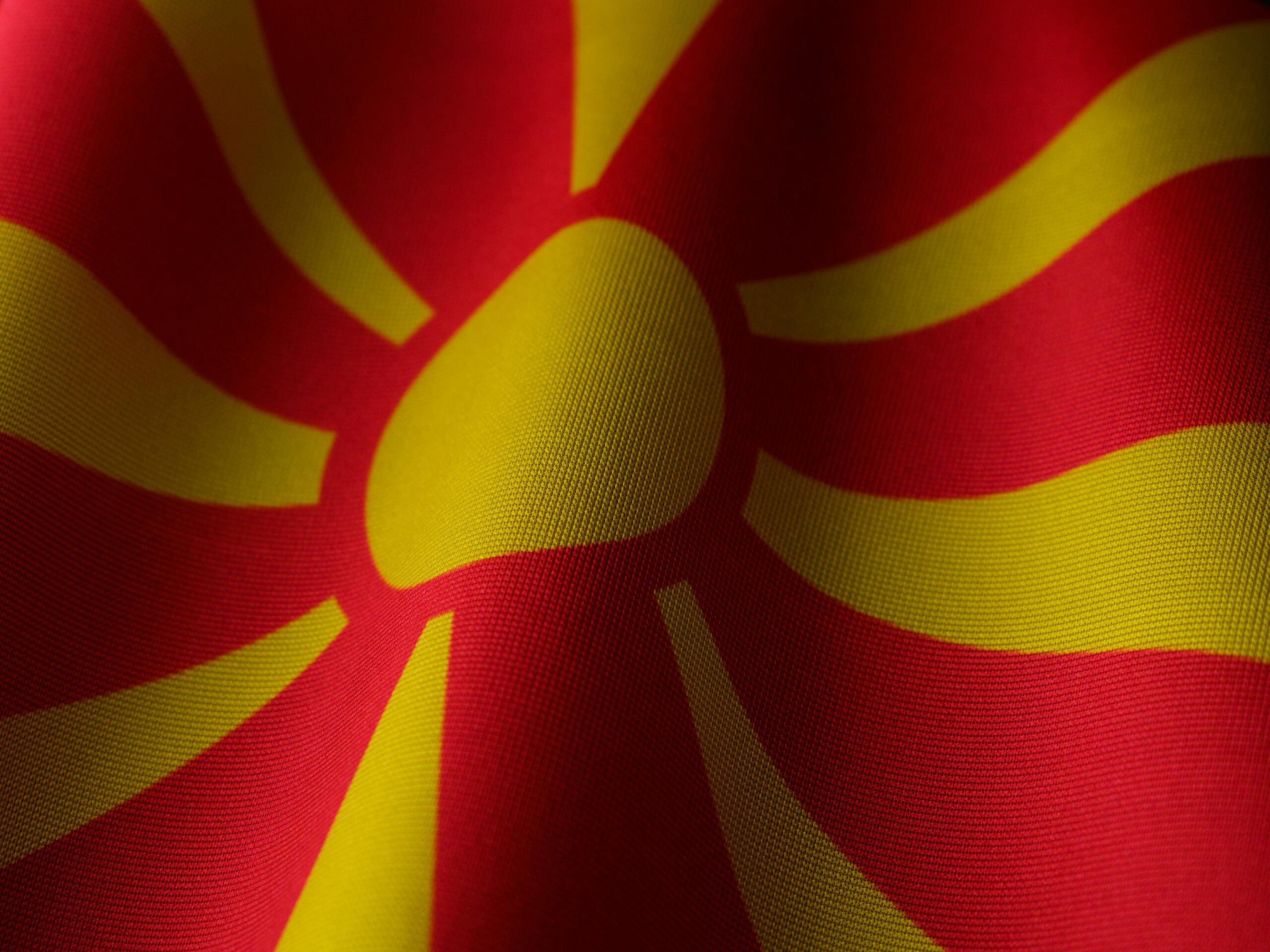
The strategic orientation of North Macedonia, established on the foundations of the state since 1992, consists of two points: the first is NATO membership and the second is EU membership. It is the orientation of the strategic partner, NATO, a point where Skopje and Belgrade diverge. While North Macedonia chose to be under the security umbrella of NATO, together with 31 other members representing the West, Serbia has chosen close cooperation in this sphere with Russia and China. Serbian influence in this very sensitive matter has triggered alarms in Brussels, which took the form of a written warning in the latest European Parliament report, where the presence of the “Serbian world” in North Macedonia is mentioned as a concern.
In fact, Serbia views North Macedonia as part of its sphere of strong influence. This belief is based on claims of historical legitimacy, from the time of Tsar Dušan in the 14th century, and later from the Berlin Congress (13 June – 13 July 1878) which was a major diplomatic meeting that revised the Treaty of San Stefano and the Vardar part of the territory called Macedonia was assigned to Serbia and Yugoslavia after 1918. It remained part of Yugoslavia until 1991.
Macedonia gained the status of a republic after World War II. From there, the Republic of Macedonia was formed as an equal part of the federation, but the process of establishing the Autocephalous Church, as a pillar of ethnic identity, was not completed.
In 2022, the Serbian Orthodox Church agreed to recognize the Macedonian Orthodox Church, but under one condition – to change its name to include the Ohrid Diocese (accepted as cultural heritage that is part of Serbian Orthodox Church). This tactical move by Serbian Orthodox Church diplomacy was not only aimed at offering a “comforting arm” to the Macedonian people but also at shifting the issue of autocephaly or independence of the Macedonian Orthodox Church from the Patriarchate of Constantinople to the Patriarchate of Moscow.
Unlike harsh anti-Greek and anti-Bulgarian reactions — which stem from Athens’ condition for a name change for NATO integration and recently Sofia’s condition for changing history for EU integration — no similar reaction was registered due to the church name change.
Besides influences through the church, Serbia’s influence in North Macedonia is strong in several other, multi-layered dimensions. Serbia is the country’s 4th most important trade partner, just after Germany, Britain, and Greece, and before Bulgaria, which is 5th. Since the country’s independence, based on the amount invested, Serbia ranks 9th, right after Bulgaria. Serbia’s latest investment in Macedonia was atypical for a NATO country. It concerns MTEL, a subsidiary of “Telecom Serbia,” present in the Macedonian market since 2021. Recently, it purchased the country’s telecom operator “Neotel.” With this, MTEL is becoming a serious player in the telecommunications business, including mobile telephony, internet provision, TV platform, fixed telephony, and more. This strengthens Serbia’s media influence base in Macedonia, which is already exercised through TV productions broadcast on the most-watched channels in the country.
However, recently there have been tendencies for Serbian influence to extend also among ethnic Albanians. One simple example – donation from the company “Unipromet” Čačak (Serbia) for the Tetovo high school.
But there are also activities of other companies strengthening their influence in the region of Tetovo, linked to money laundering for criminal groups, involving also cigarette, oil, and arms smuggling in the region.
That corrupt activities have also enabled Russia to penetrate deeper into the region, which has been met with great concern in Brussels and Washington.
With this Serbian dominance in all fields in North Macedonia, it is no surprise to hear concerns in Brussels stemming from fears of undermining the sovereignty of this aspirant country. Serbia’s significant influence in politics, media, business and in shaping the public opinion of the country will continue to steer the course of the state of North Macedonia.
All these dynamics are reflected in recent credible polls, which show that 53% of ethnic Macedonians see Serbia as a friendlier country, while over 60% see Bulgaria as a more hostile country.
Comments: Prime minister Mickoski won the elections with the ultra nationalist narratives and it was clear that he will searche friends in the capitals of Serbia and Russia.
When we see the EP Report on North Macedonia, especially conclusions of Serbian and Russian influence, and from the other side the last positions of Serbian President of the necessary independence of Serbian foreign policy, it is almost clear what we can expect from Skopje.
For example, on January 29, Prime Minister Mickoski was categorical: “There will be no constitutional changes as long as I am prime minister, unless at least two conditions are met:
– restoration of the rights of the Macedonian community in Bulgaria;
– guarantees that there would be no bilateral vetoes, humiliation, or degradation based on subjective reasons.”
Both of them are unacceptable for the EU. Any delay in constitutional amendments means postponing the country’s accession process to the European Union. It seems that the delay in constitutional amendments reflects domestic political dynamics also as a result of Serbian and Russian influence.