Thewesternbalkans.
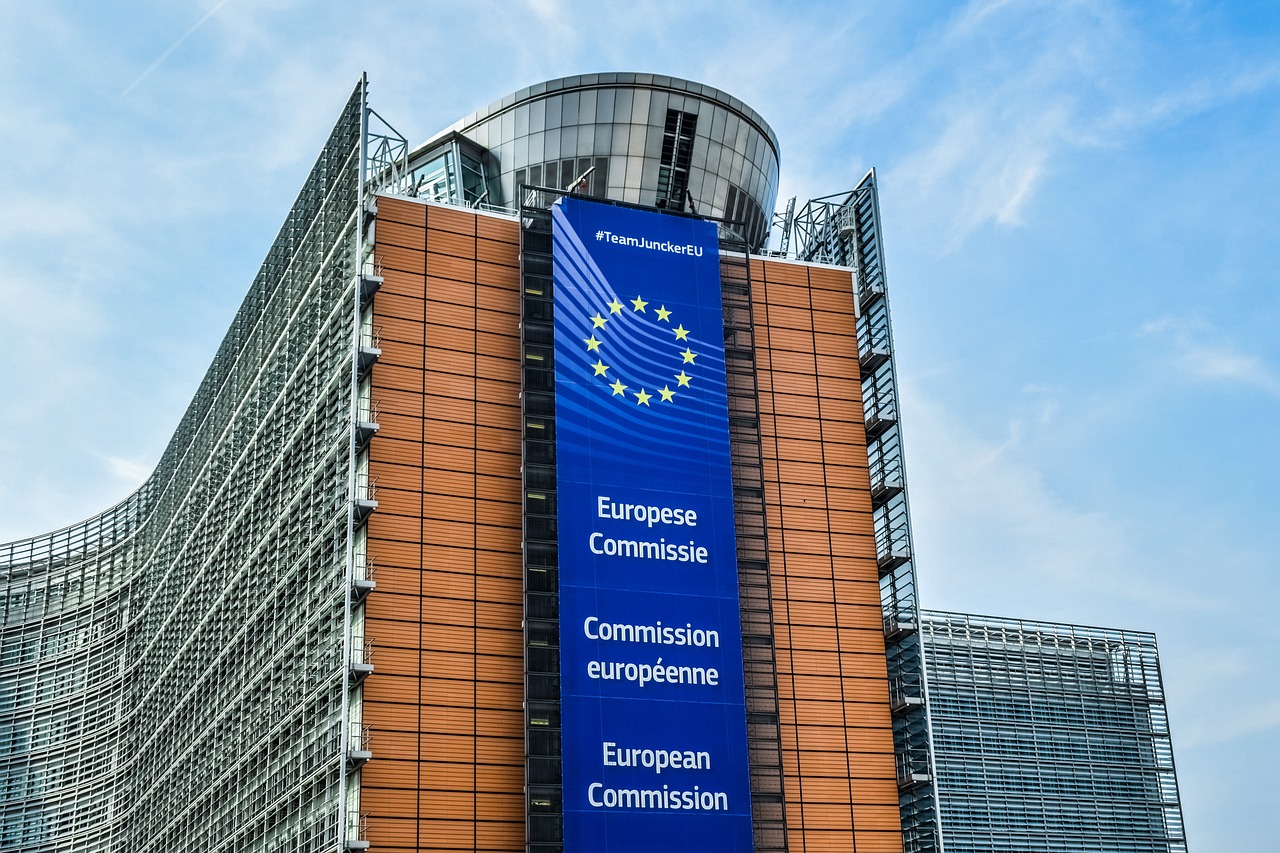
According to the Press Office and documents of the EU, on 4 of November 25, the European Commission adopted its annual Enlargement Reports, presenting an assessment of the progress made by the enlargement partners over the past year. This package of reports reaffirms that the momentum for enlargement stands high on the priority agenda of the EU.
Montenegro, Albania, Ukraine, the Republic of Moldova, Serbia, North Macedonia, Bosnia and Herzegovina, Kosovo, Türkiye and Georgia continue their respective paths towards the EU. The pace of their reforms, in particular in the areas of democracy, the rule of law and fundamental rights, directly impacts the speed of accession.
The assessments, accompanied by recommendations and guidance on the reform priorities, provide a roadmap for enlargement partners toward EU membership. Gradual integration of the aspiring Members into the Single Market strengthens ties with the Union already before their accession. According to the Reports, significant progress has been achieved over the past year. With enlargement as a clear policy goal in this mandate, the Commission is committed to ensuring both the readiness of aspiring members as well as the EU’s preparedness to welcome them.
To ensure that new Member States continue to safeguard and maintain their track-record on the rule of law, democracy and fundamental rights, the assessments of the Commission are that future Accession Treaties should contain stronger safeguards against backsliding on commitments made during the accession negotiations.
Effective communication, as well as countering foreign information manipulation and interference, including disinformation is a strategic imperative.
Main conclusions in the Reports by country:
Montenegro has marked significant progress toward EU accession, closing four negotiation chapters over the last year. Montenegro’s commitment to provisionally closing further chapters by the end of 2025 reflects its dedication to European integration. Maintaining steady progress on reforms and seeking continuous broad political consensus are crucial for achieving the country’s target to close accession negotiations by the end of 2026. Subject to maintaining the pace of reforms, Montenegro is on track to meet this ambitious objective.
Albania has made significant progress, with four clusters opened over the last year. Preparations for the opening of the last cluster this year are well advanced. Progress has been achieved on the fundamentals, particularly on justice reform and in the fight against organised crime and corruption. Continued efforts are now needed to meet the interim benchmarks under the fundamentals, which will pave the way to start closing negotiating chapters once the necessary sector reforms have been made. Achieving Albania’s goal of concluding negotiations by 2027 depends on maintaining reform momentum and fostering inclusive political dialogue. Subject to maintaining the pace of reforms, Albania is on track to meet this ambitious objective.
Despite Russia’s unrelenting war of aggression, Ukraine remains strongly committed to its EU accession path, having successfully completed the screening process and advanced on key reforms. Ukraine has adopted roadmaps on the rule of law, public administration, and the functioning of democratic institutions, as well as an action plan on national minorities, which the Commission assessed positively. Ukraine has met the conditions required to open clusters: one (fundamentals), six (external relations), and two (internal market). The Commission expects Ukraine to meet the conditions to open the remaining three clusters and works to ensure that the Council is in a position to take forward the opening of all clusters before the end of the year. The Ukrainian government has signalled its objective to provisionally close accession negotiations by the end of 2028. The Commission is committed to support this ambitious objective but considers that, to meet it an acceleration of the pace of reforms is required, notably with regards to the fundamentals, in particular rule of law.
In the face of continuous hybrid threats and attempts to destabilise the country, Moldova has significantly advanced on its accession path, successfully completing the screening process. The first EU-Moldova summit in July 2025 marked a new stage of cooperation and integration. Moldova has adopted roadmaps on the rule of law, public administration, and the functioning of democratic institutions, which the Commission assessed positively. The Commission’s assessment is that Moldova has met the conditions required to open clusters: one (fundamentals), six (external relations), and two (internal market). The Commission expects Moldova to also meet the conditions to open the remaining three clusters and works to ensure that the Council is in a position to take forward the opening of all clusters before the end of the year. The government of Moldova has signalled its objective to provisionally close accession negotiations by early 2028. The Commission is committed to supporting this objective, which is ambitious but achievable, provided Moldova accelerates the current pace of reforms. Sustaining reform momentum is crucial, reinforced by strong parliamentary support for the country’s European path following elections in September.
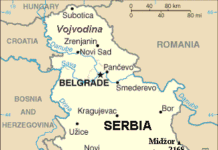
The polarisation in Serbian society has deepened against the background of mass protests taking place across Serbia since November 2024, reflecting disappointment of citizens over inter alia corruption and the perceived lack of accountability and transparency coupled with instances of excessive use of force against protestors and pressure on civil society. This has led to an increasingly difficult environment where divisive rhetoric has led to a serious erosion of trust amongst the stakeholders which, in turn, impacts the accession process. Reforms have significantly slowed down. While acknowledging some recent developments, such as the relaunch of the procedure of selection of the new Council of the regulatory body for electronic media (REM) and progress in the legislative process on the Law on a unified voter register, which now need to be completed and implemented, as well as a recent increase in alignment with the EU’s common foreign and security policy, which needs to be pursued, more needs to be done. Serbia is expected to overcome the standstill in the area of judiciary and fundamental rights overall and urgently reverse the backsliding on freedom of expression and the erosion of academic freedom. The Commission assessment from 2021 that Serbia had fulfilled the opening benchmarks for cluster 3 (competitiveness and inclusive growth) remains valid.
North Macedonia continued its work on the roadmaps for the rule of law, public administration reform, and the functioning of democratic institutions, as well as on the action plan on the protection of minorities. Further swift and decisive action is needed on the opening benchmarks, in line with the negotiating framework, with a view to opening the first cluster as soon as possible and when relevant conditions are met. North Macedonia should intensify efforts to uphold the rule of law, by safeguarding judicial independence and integrity, and strengthening the fight against corruption. The Country also needs to adopt the necessary constitutional changes with a view to including in the Constitution citizens who live within the borders of the state and who are part of other people, such as Bulgarians, as outlined in the Council Conclusions of July 2022, which the country committed to launch and achieve.
In Bosnia and Herzegovina, the political crisis in the Republika Srpska entity and the end of the ruling coalition have undermined EU accession progress, resulting in limited reforms, namely on data protection and border control, as well as the signature of the Frontex status agreement. To effectively start accession negotiations, authorities must in the first place finalise and adopt judicial reform laws, in full alignment with European standards, and appoint a chief negotiator.
Kosovo has remained committed to its European path, with a high level of public support. The delay in forming the institutions following the February general elections slowed down EU-related reform progress. Normalisation of relations with Serbia and implementation of Dialogue commitments remain an integral part of Kosovo’s European perspective. The Commission stands ready to prepare an Opinion on Kosovo’s membership application, if requested by the Council.
Türkiye remains a candidate country and key partner for the EU. In line with the European Council conclusions of April 2024, the EU has advanced relations with Türkiye in a phased, proportionate and reversible manner, engaging on shared priorities. The resumption of Cyprus settlement talks is a key element of cooperation. At the same time, the increasing legal actions against opposition figures and parties, alongside multiple other arrests, raise serious concerns about Türkiye’s adherence to democratic values. While dialogue on the rule of law remains central to EU-Türkiye relations, the deterioration of democratic standards, judicial independence, and fundamental rights has yet to be addressed. Accession negotiations with Türkiye remain at a standstill since 2018.
In 2024, the European Council concluded that Georgia‘s EU accession process was de facto halted. Since then, the situation has sharply deteriorated, with serious democratic backsliding marked by a rapid erosion of the rule of law and severe restrictions on fundamental rights. The Georgian authorities must demonstrate resolute commitment to reverse course and return to the EU accession path.
Next steps.
It is now for the Council to consider the recommendations of the Commission and take decisions on the steps ahead in the enlargement process.
Comments:
Serbia has received its worst ever rating in the European Commission’s enlargement report. Serbia has regressed significantly in almost all areas. The government has failed to deal with a year of street protests; divisions in society are deepening. The deal with the EU on the lithium mine has failed.
Kosovo has made no progress and the dialogue with Serbia continues to stagnate. The ongoing stalemate reinforces perceptions of institutional fragility in Kosovo and could delay key policy decisions. The Self-Determination Movement remains dominant but increasingly isolated, while opposition parties lack the cohesion or alternative programmatic vision to provide a credible governing alternative. Kosovo is further than ever from achieving “Euro-Atlantic” integration.
As expected, Montenegro, Moldova and Albania have made the most progress. Montenegro is listed as a possible first country to join the EU. The fundamental change in the political system and the liberation from the grip of Djukanovic were decisive for this.
Albania still has serious problems with corruption, but Rama’s sound control has made its way.
The return of the VMRO to power in North Macedonia has not lifted the country out of the deadlock. Problems with corruption are still widespread, as is poor governance. Despite the compromises made and the desire to show loyalty to the EU, Skopje is disappointed by the blocking of accession.